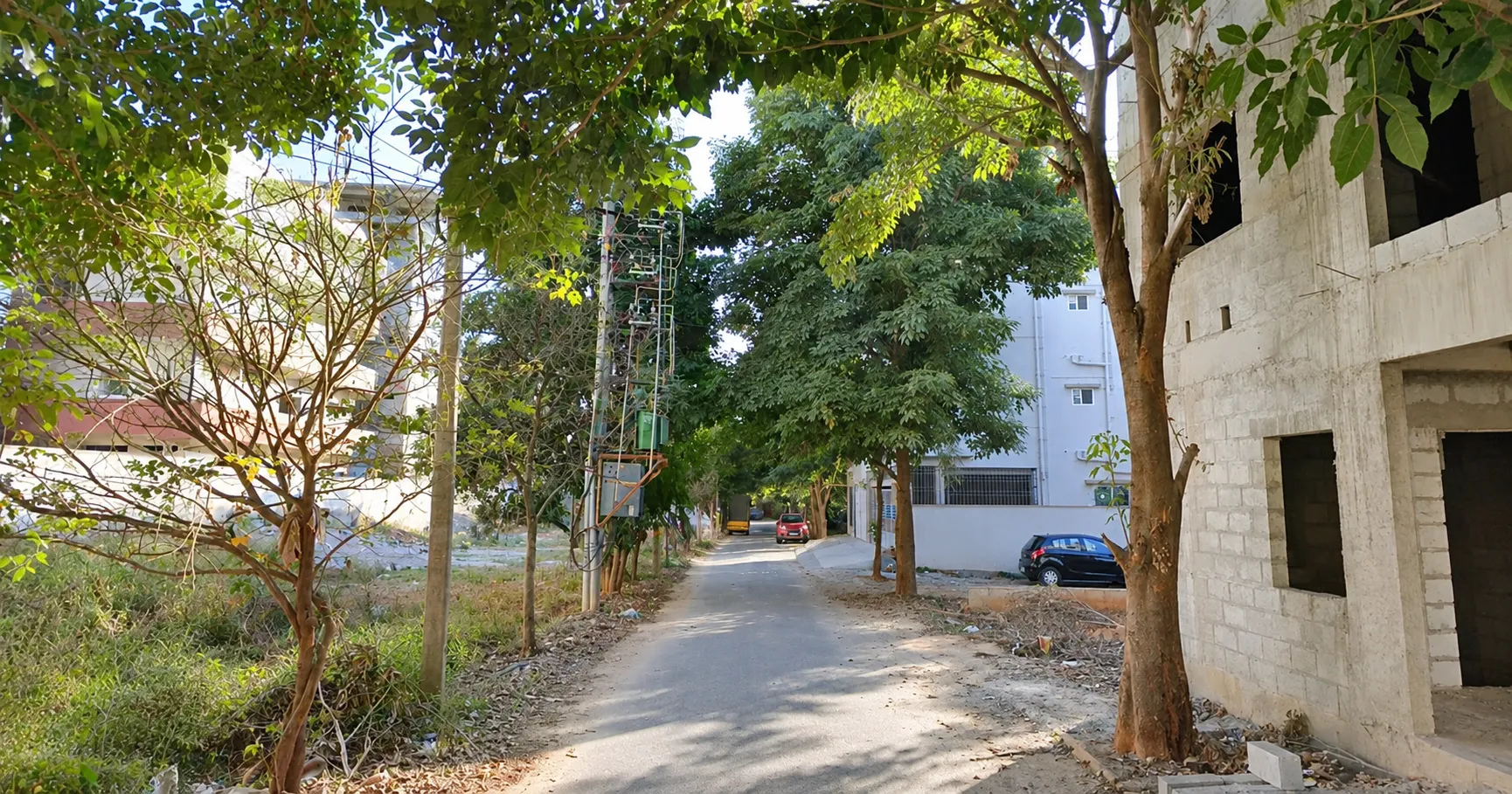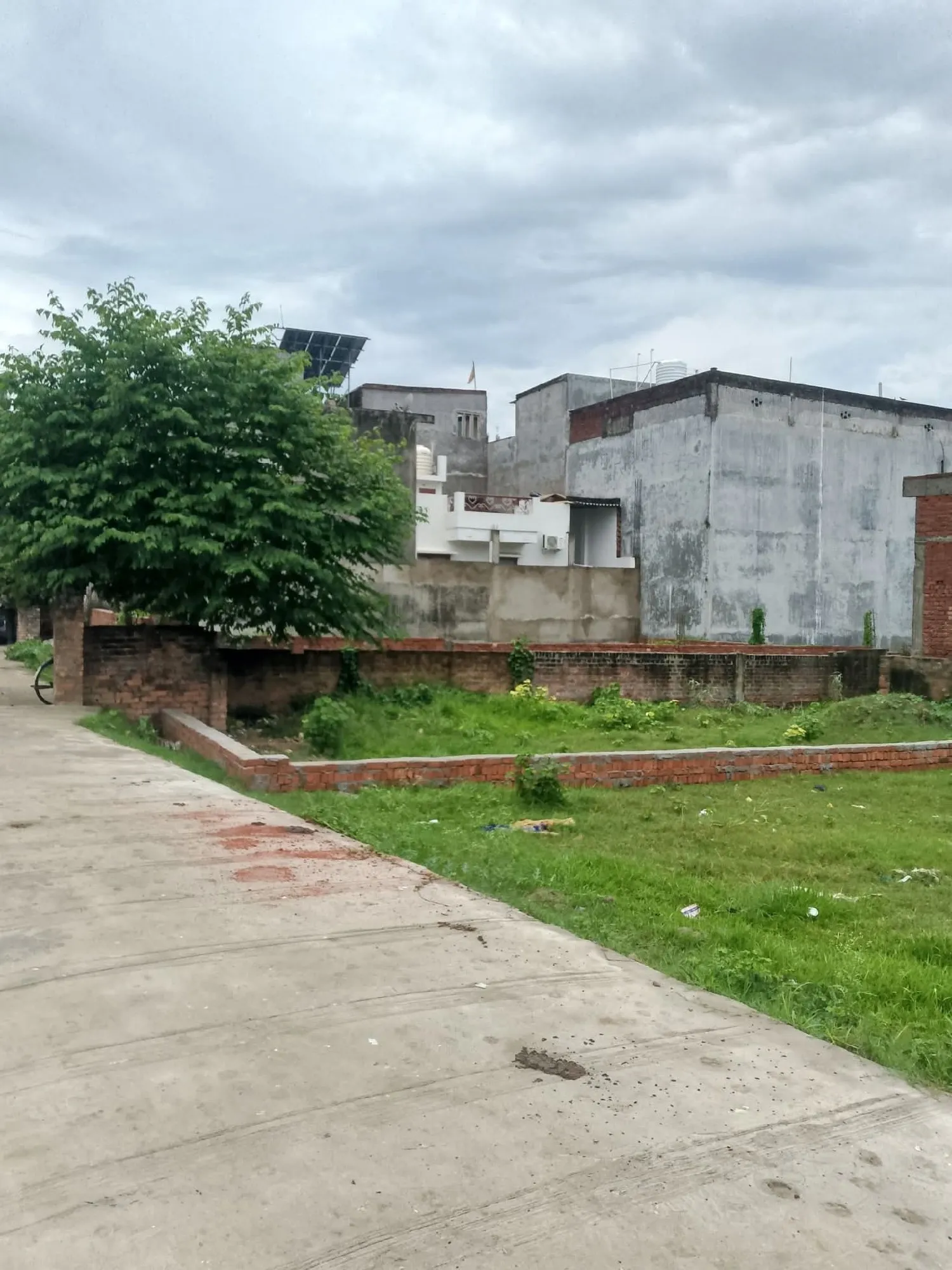
Buying an independent house in India: a practical checklist
From khata transfer to EC verification — what first-time buyers of an independent house in India should check before signing.

99LAND
99Land Editorial

Buying an independent house — a 30x40, 60x40 or a standalone plot-built home — is different from buying a flat. You own the land and the structure outright, which is a stronger asset, but the due diligence is heavier.
Start with the title chain
Ask for the chain of title going back at least 30 years. The Encumbrance Certificate (EC) from the Sub-Registrar's office shows every transaction on the property. Cross-check the mother deed and every subsequent sale deed.
Check khata, property tax and utilities
Every municipal body has its own record: BBMP in Bengaluru, MCD in Delhi, BMC in Mumbai. Ask for the latest khata extract, property-tax paid receipts for the past three years, and the water / electricity bills. Dues transfer with the property.
Approved plan vs. as-built
Request the sanctioned building plan and walk around checking if deviations exist. A one-floor deviation can trigger demolition notices in a BBMP survey. The bank will flag anything the plan doesn't match.
Loan-eligibility pre-check
Get a written pre-approval from SBI, HDFC or LIC Housing before you commit. Home-loan banks won't lend against properties with title defects, unclear khata, or structures outside zoning.
Safety checklist for everyone in this deal
A property transaction in India touches a lot of hands. Here's what each party should insist on before money moves.
Buyers
- Verify title through a 30-year EC (Encumbrance Certificate) and cross-check the mother deed.
- Confirm RERA registration (where applicable) — the RERA number should match the one on the state RERA website.
- Never transfer a token amount on WhatsApp alone; insist on a receipt and a simple written agreement.
- Walk the property in person. Photo-only deals are a common vector for listing fraud.
Sellers
- Keep originals in a locker. Only ever share certified copies with prospective buyers.
- Insist on payment via cheque / NEFT / RTGS — avoid cash-heavy deals, especially above ₹2 lakh (20,000 cash cap for each leg under Section 269ST).
- Never hand over vacant possession until the sale deed is registered and the registration receipt is in your hand.
Agents, agencies and brokers
- Register under the state RERA (where brokering RERA-covered projects) and display your registration number on listings.
- Keep a written, dated engagement letter with the client covering brokerage %, exclusivity and a cancellation clause.
- Do a KYC on both sides before the first site visit — PAN + Aadhaar, photo ID match — and hold a copy on file.
- Never pocket earnest money directly; let it flow buyer ↔ seller and invoice the brokerage separately.
Owners
- Update your property tax every year — BBMP / MCD / BMC arrears follow the property and surface at sale time.
- On rental, include a 2–3-month notice period, a detailed inventory with photos, and a clause on painting + deep-cleaning at exit.
- Pay the rental TDS if you're a tenant paying over ₹50,000/month (Section 194-IB). Owners should chase the Form 16C from their tenant.
Final tip: when in doubt, walk away. The best real-estate deals are the ones you don't rush.
Featured Properties
Handpicked properties just for you