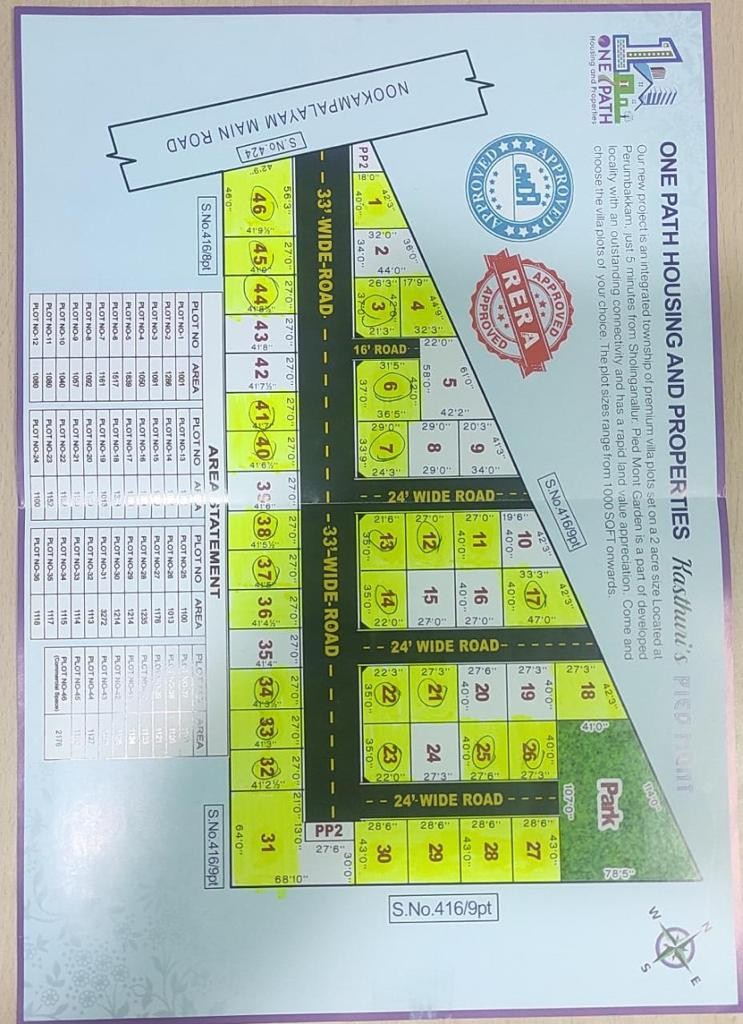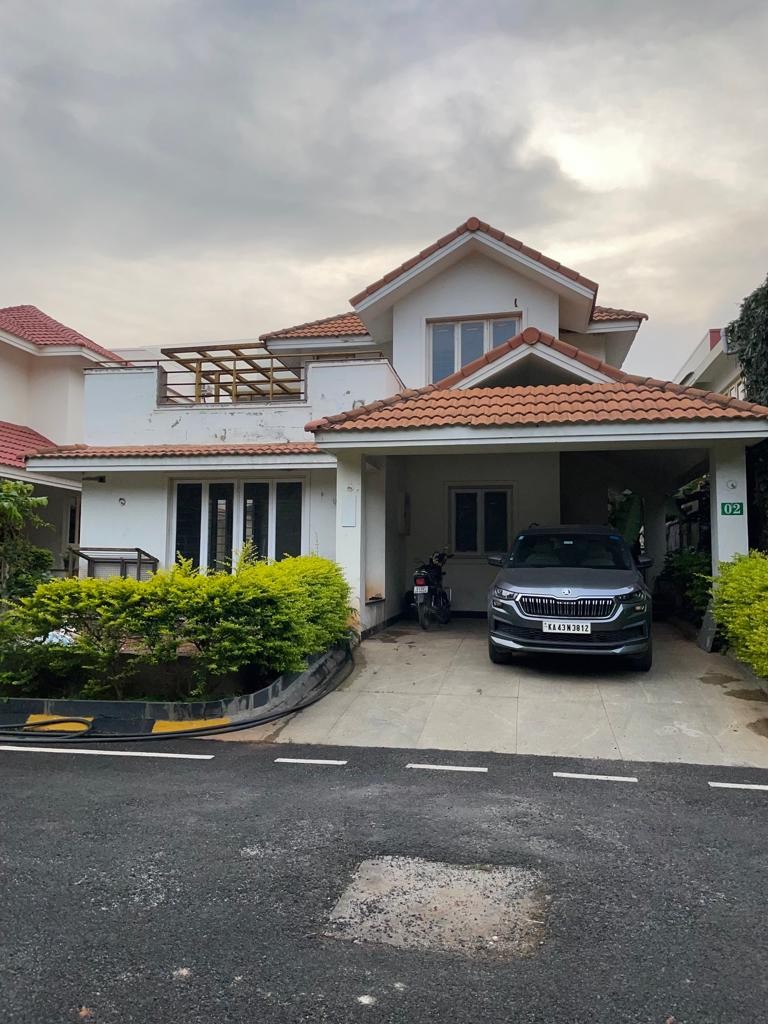
NRI Buying Property in India — Documents, Tax & RBI Rules (2026 Guide)
An NRI can buy almost any property in India — but not quite all of it. Here's exactly what you can and can't buy, the FEMA and RBI rules, the documents you need, tax on purchase, repatriation rules, and how to do it without traveling.

99LAND
99Land Editorial

You're an NRI looking to buy property in India. Maybe it's a flat in your home city for when you eventually return, or an investment property to generate rental income, or just a way to keep your family back home in a place you partly own. Whatever the reason, the rules have stabilized over the last decade and the process — while paperwork-heavy — is actually doable without setting foot in India.
This guide walks through what's permitted, what isn't, the tax obligations, the financing options, and how to execute remotely.
Important: Tax laws and FEMA regulations change. This guide covers the 2026 baseline. Have a Chartered Accountant verify specifics before any transaction.
Who is an "NRI" for property purposes?
For Indian property law and FEMA:
- NRI (Non-Resident Indian) — Indian citizen residing outside India
- OCI (Overseas Citizen of India) — Foreign citizen with OCI card
- PIO (Person of Indian Origin) — older category, now generally absorbed into OCI
All three categories have substantially the same property buying rights under FEMA. Foreign citizens without OCI status face heavier restrictions and are not covered here.
What you CAN buy
Under FEMA and the Reserve Bank of India's master directions:
- Residential property — flats, independent houses, villas
- Commercial property — shops, offices, commercial complexes
- Any number of either; no quantity cap
You can hold them, rent them out, sell them, or gift them within rules.
What you CANNOT buy
There are three categories of restrictions:
- Agricultural land — flat ban. NRIs/OCIs cannot purchase agricultural land in India. Even if you have ancestral roots in farming or someone offers to "transfer" it to you, RBI does not allow this acquisition.
- Plantation property — banned (tea estates, coffee, rubber, etc.).
- Farm houses — banned. A "farm house" in legal terms is a residential structure on agricultural land. NRIs cannot buy them.
The one exception: inheritance. You can inherit agricultural land or a farm house from a resident Indian. You can also acquire by way of gift from a close relative who is an Indian resident, subject to FEMA approval. But you cannot purchase these for money.
If a seller offers you "agricultural" land that's "actually used for residential purpose," walk away. The legal classification on patta/khata is what matters, not how it's being used.
Funding the purchase — your three options
NRIs can fund Indian property purchases through:
Option 1: NRE / NRO / FCNR accounts
- NRE (Non-Resident External): holds your foreign earnings in INR; fully repatriable
- NRO (Non-Resident Ordinary): holds Indian income (rent, dividends); repatriation capped at USD 1M per FY
- FCNR (Foreign Currency Non-Resident): holds foreign currency deposits
You can pay for property from any of these. What you pay from determines later repatriation rules — see the repatriation section below.
Option 2: Inward remittance from abroad
You can wire money from your overseas account to the seller (or to an NRE/NRO account first, then onward). This is the most common path. Use formal banking channels — never cash.
Option 3: Home loans from Indian banks
Many Indian banks (SBI, HDFC, ICICI, Axis, Bank of Baroda, etc.) offer NRI home loans. Typical terms:
- LTV: 70-80% of property value (lower than for resident Indians)
- Tenure: up to 30 years OR until age 60-65, whichever is earlier
- Rate: generally 0.25-0.5% higher than resident rates
- Repayment: EMIs from NRE/NRO/FCNR account
- Documentation: passport, visa, work permit, salary slips, employment letter, tax returns from country of residence
Loans help you preserve foreign capital and use leverage. Especially useful for investment properties.
What you CANNOT use for payment
- Cash — never, for any amount, under any circumstance
- Money from another NRI's account — must come from your own funds
- Money paid into seller's account directly from a foreign source without proper FEMA declaration — this gets flagged
Always route through Indian banking channels with clear paper trail.
Documents required
For the NRI buyer:
- Passport (with visa pages)
- OCI card (if applicable)
- PAN card (mandatory for any property transaction)
- Address proof in country of residence
- Address proof in India (parent's address with no-objection is acceptable)
- Photographs (passport-size)
- Bank statements from NRE/NRO/FCNR
- Income tax returns from country of residence (for loan)
- Salary slips / employment letter (for loan)
If you can't be present in India for registration, you'll need:
- Power of Attorney (POA) — a notarized & apostilled POA giving someone in India (typically a family member or lawyer) the authority to register the sale on your behalf
- POA must be specific to the property and notarized at the Indian embassy/consulate where you reside
The Power of Attorney process — done right
This is where most NRI transactions slow down or go wrong. The POA must be:
- Specific: name the exact property, the seller, the purpose (purchase + registration)
- Notarized at the Indian embassy/consulate in your country of residence
- Apostilled if your country is a Hague Convention signatory (US, UK, Australia, most of EU)
- Sent to India for stamping at the sub-registrar's office (state stamp duty applies — typically ₹2,000-₹15,000)
- Adjudicated if required (some states require an additional stamp adjudication)
Build in 4-6 weeks for the POA process. Rushing it leads to rejection at registration.
Many NRI buyers appoint a real-estate lawyer in the property's city as their POA holder rather than a family member. This avoids family awkwardness if anything goes wrong.
Stamp duty, registration, and TDS
When buying, you pay:
- Stamp duty: state-dependent, typically 5-8% of property value
- Registration fee: typically 1% of property value
- GST (only on new under-construction): 5% (1% for affordable)
- NO additional "NRI premium" — same rates as resident buyers
TDS on property purchase (paid BY you, the buyer, to the seller's account):
- If seller is resident Indian: 1% TDS on transactions above ₹50 lakh
- If seller is NRI: significantly higher — 20-30% TDS on the capital gains portion (not the full price). The seller must obtain a "Lower Deduction Certificate" from the Income Tax Department to reduce this. Without it, the buyer is required to withhold the full statutory rate.
For NRI-to-NRI transactions, get a tax advisor involved early. The TDS rules are strict and the buyer is personally liable if they fail to deduct.
Tax obligations after buying
Once you own Indian property as an NRI:
- Annual property tax to the municipal authority (₹2,000-₹50,000 typically depending on location and size)
- Income tax on rental if you rent it out — taxed at slab rates (currently up to 30%); but you can claim a 30% standard deduction and full home loan interest deduction
- TDS on rent — if rent exceeds ₹50,000/month, tenant deducts 30% TDS and remits to IT department
- Wealth tax — abolished since 2015; no wealth tax on Indian property
File ITR (Income Tax Return) in India annually if you have any Indian income (rent, capital gains, FD interest). This is mandatory for NRIs with Indian source income above ₹2.5 lakh.
Repatriation — getting money back out
This is what most NRIs care about: if you sell later, can you take the money back to your country of residence?
Rules:
- Property acquired with foreign exchange (NRE/inward remittance): Sale proceeds can be repatriated up to the amount originally remitted (after taxes). Capital gain portion can also be repatriated within limits.
- Property acquired with NRO funds (Indian source income): Sale proceeds can be repatriated only up to USD 1 million per financial year (under the existing RBI rule). This is a per-NRI limit, not per-property.
- Property acquired by gift / inheritance: Same USD 1M annual limit applies.
- Maximum 2 residential properties: Repatriation of sale proceeds is permitted for up to 2 residential properties in a lifetime (verify current limit).
Whatever the limit, repatriation requires:
- Form 15CA and 15CB filed by a Chartered Accountant
- TDS payment proof
- Bank's authorized dealer review of FEMA compliance
Build in 2-4 weeks for repatriation after sale.
Buying without travelling — is it possible?
Yes, end-to-end remote purchases are possible:
- Shortlist properties online via platforms like 99Land
- Virtual site visits via video — most agents will do this on WhatsApp/Zoom
- Engage a local lawyer for title check, agreement vetting
- Engage a local CA for tax planning, TDS, POA stamping
- Execute the POA at your country's Indian embassy
- Send POA to India for stamping
- Wire funds through banking channels
- POA holder registers the property on your behalf
The "remote" path adds 1-2 months to the timeline and ₹50,000-₹2,00,000 in legal/CA fees. Many NRI buyers find this preferable to taking a 2-week trip.
Common mistakes NRIs make
- Trusting family verbally without legal documentation — the most common cause of family disputes
- Buying agricultural land "informally" — illegal under FEMA, can be reversed
- Using a generic POA — must be specific to the property
- Skipping the EC and title verification because the seller is a family friend
- Not factoring in TDS when the seller is also an NRI
- Buying in a relative's name "for simplicity" — creates ownership and tax complications
Buyer's checklist for NRIs
- <span style="display:inline-block;width:1.1em">☐</span> PAN card obtained
- <span style="display:inline-block;width:1.1em">☐</span> NRE / NRO account active in an Indian bank
- <span style="display:inline-block;width:1.1em">☐</span> POA prepared, notarized, apostilled, ready to send to India
- <span style="display:inline-block;width:1.1em">☐</span> Property is residential or commercial (NOT agricultural)
- <span style="display:inline-block;width:1.1em">☐</span> RERA registration verified (for under-construction)
- <span style="display:inline-block;width:1.1em">☐</span> Title chain verified for 30 years by an Indian lawyer
- <span style="display:inline-block;width:1.1em">☐</span> EC pulled and clean
- <span style="display:inline-block;width:1.1em">☐</span> TDS plan in place (especially if seller is an NRI)
- <span style="display:inline-block;width:1.1em">☐</span> Indian CA engaged for tax planning + Form 15CA/CB
- <span style="display:inline-block;width:1.1em">☐</span> Source of funds clearly documented for FEMA
TL;DR
NRIs have full property buying rights in India for residential and commercial real estate. The hard parts are:
- Funding through proper banking channels (no cash, no informal transfers)
- Executing the POA properly if not present
- Managing TDS, especially when the seller is also an NRI
- Understanding repatriation limits for any future sale
Done right, the whole process takes 3-6 months. The cost of engaging a local lawyer + CA is ₹1-3 lakh total — small compared to the value of getting it right.
To start your shortlist, browse apartments in Bengaluru, Chennai, or villas in Hyderabad on 99Land. Filter by verified agents — they'll handle paper-heavy NRI documentation more smoothly. Connect with our verified property agents before flying down (or instead of flying down).
India lets you buy as a non-resident. The country wants your investment. Just follow the paper trail — every step of the way.
Safety checklist for everyone in this deal
A property transaction in India touches a lot of hands. Here's what each party should insist on before money moves.
Buyers
- Verify title through a 30-year EC (Encumbrance Certificate) and cross-check the mother deed.
- Confirm RERA registration (where applicable) — the RERA number should match the one on the state RERA website.
- Never transfer a token amount on WhatsApp alone; insist on a receipt and a simple written agreement.
- Walk the property in person. Photo-only deals are a common vector for listing fraud.
Sellers
- Keep originals in a locker. Only ever share certified copies with prospective buyers.
- Insist on payment via cheque / NEFT / RTGS — avoid cash-heavy deals, especially above ₹2 lakh (20,000 cash cap for each leg under Section 269ST).
- Never hand over vacant possession until the sale deed is registered and the registration receipt is in your hand.
Agents, agencies and brokers
- Register under the state RERA (where brokering RERA-covered projects) and display your registration number on listings.
- Keep a written, dated engagement letter with the client covering brokerage %, exclusivity and a cancellation clause.
- Do a KYC on both sides before the first site visit — PAN + Aadhaar, photo ID match — and hold a copy on file.
- Never pocket earnest money directly; let it flow buyer ↔ seller and invoice the brokerage separately.
Owners
- Update your property tax every year — BBMP / MCD / BMC arrears follow the property and surface at sale time.
- On rental, include a 2–3-month notice period, a detailed inventory with photos, and a clause on painting + deep-cleaning at exit.
- Pay the rental TDS if you're a tenant paying over ₹50,000/month (Section 194-IB). Owners should chase the Form 16C from their tenant.
Final tip: when in doubt, walk away. The best real-estate deals are the ones you don't rush.
Platinum Listings
Top-tier promoted properties

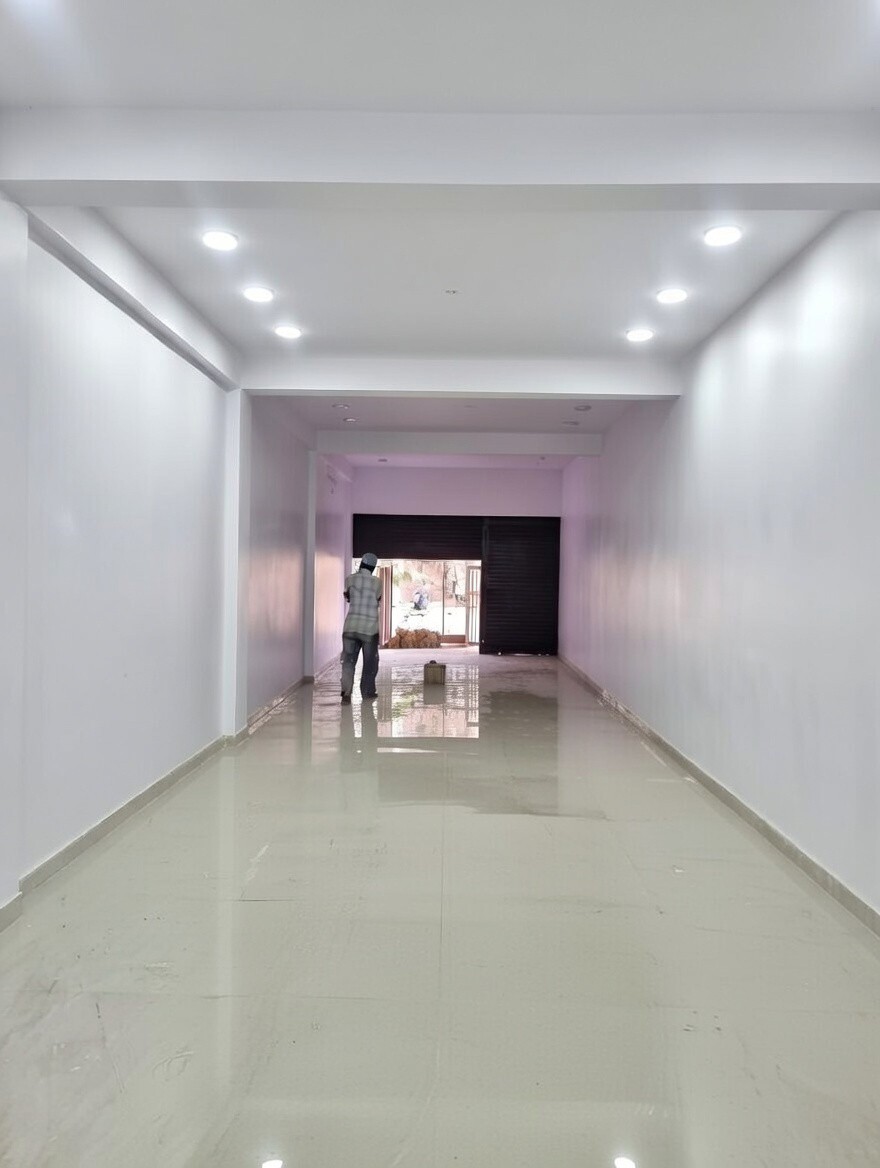
Premium Listings
High-visibility promoted properties
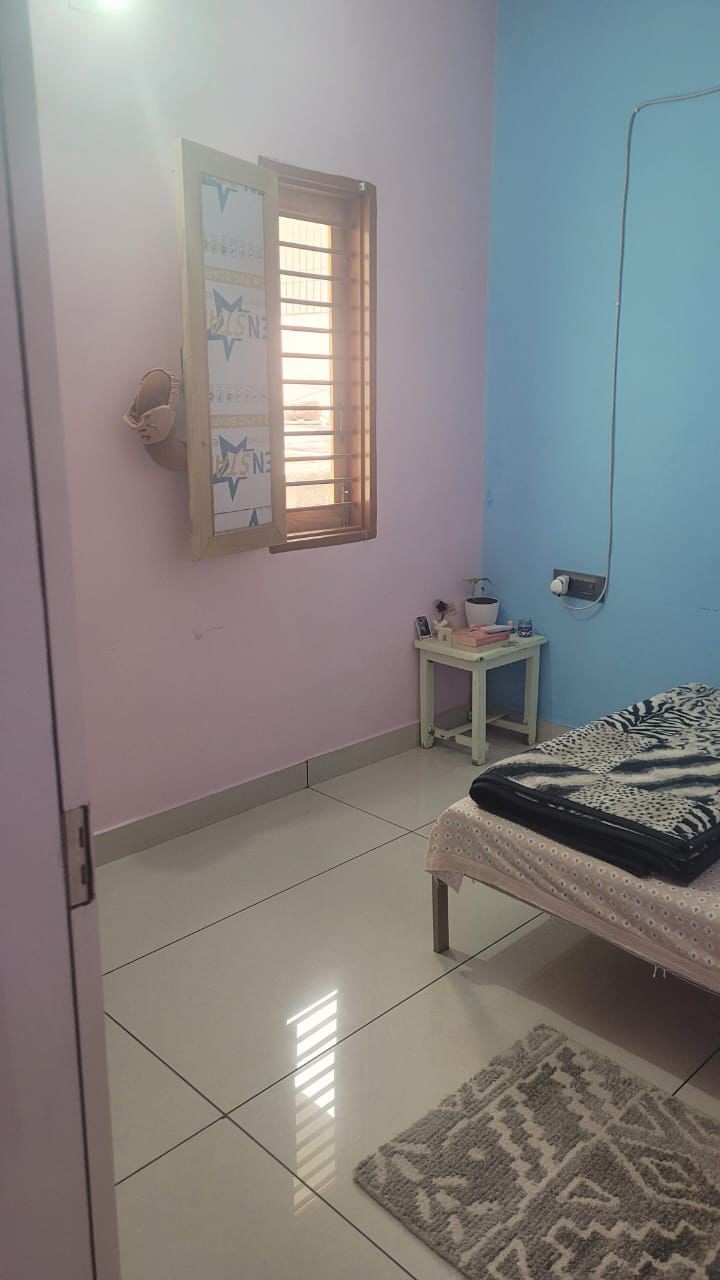
Featured Properties
Handpicked properties just for you