House Sale in India: A Step-by-Step Seller's Guide for 2026
Planning a house sale in India? Price it correctly, prepare the documents, create a stronger listing and close securely with this step-by-step seller guide.

99LAND
99Land Editorial

A successful house sale begins before the listing goes live. Buyers pay more attention when ownership documents are organised, the property is easy to inspect and the asking price can be explained with real comparisons. Sellers who skip that preparation often lose weeks answering the same questions or renegotiate late in the transaction.
This guide walks Indian homeowners through pricing, documents, marketing, buyer screening, negotiation and registration. When you are ready, list your property free on 99Land and use the steps below to make the listing more credible.
House sale: define the outcome first
Write down your reason for selling, ideal completion date, lowest acceptable net amount and any dependencies such as loan closure, tenant move-out or buying another home. Separate the headline sale price from the amount you will actually receive after brokerage, repairs, loan repayment, taxes and moving expenses.
If several family members own or may claim the property, resolve their roles before marketing. A buyer will hesitate if consent, inheritance or signing authority becomes unclear halfway through the deal.
Prepare the house-sale document file
Create a secure digital folder with clear scans and keep originals protected. Depending on the property and state, a buyer or lender may ask for:
- Current registered sale deed and earlier link documents
- Encumbrance Certificate for the relevant period
- Approved building plan and planning permission
- Completion or Occupancy Certificate where applicable
- Property-tax receipts and utility bills
- Mutation, khata, patta or local revenue record as applicable
- Loan statement and lender process for releasing the mortgage
- Legal-heir, partition, release or Power of Attorney documents where relevant
- Society or association no-dues and transfer documents if the house is in a community
- Identity, PAN and address documents for every seller
Do not circulate unrestricted copies of sensitive documents to every enquiry. Watermark review copies, share them with serious buyers through a controlled channel and let the buyer's lawyer inspect originals at the appropriate stage.
Set an asking price that attracts real buyers
An asking price based only on what a neighbour wants is risky. Compare recently marketed houses with the same micro-location, plot size, built-up area, building age, access road, parking and approval status. Separate land value from building value; an older structure may add less than a seller expects.
Use three numbers:
- Market range: a realistic band supported by comparable homes
- Asking price: enough room for reasonable negotiation without looking detached from the market
- Walk-away net: the minimum amount left after selling costs and liabilities
If enquiries are high but visits are low, the listing may be unclear. If visits are steady but offers are absent, price or property condition may be the problem. Adjust using evidence rather than waiting indefinitely.
Prepare the property before photography
Buyers notice maintenance before décor. Repair active leaks, unsafe wiring, broken locks and obvious drainage problems. Clear passages, remove excess furniture, clean kitchens and bathrooms, trim outdoor areas and make every room easy to enter.
Do not conceal a structural or legal defect. Fix what you can and disclose what remains. A defect discovered during legal or technical inspection damages trust and gives the buyer leverage for a larger last-minute reduction.
Create a listing that earns qualified enquiries
A strong house-sale listing is specific. Include the exact locality, property type, plot and built-up area, bedroom and bathroom count, age, facing only if verified, parking, water source, road width where useful, furnishing, possession status and nearby transport or landmarks.
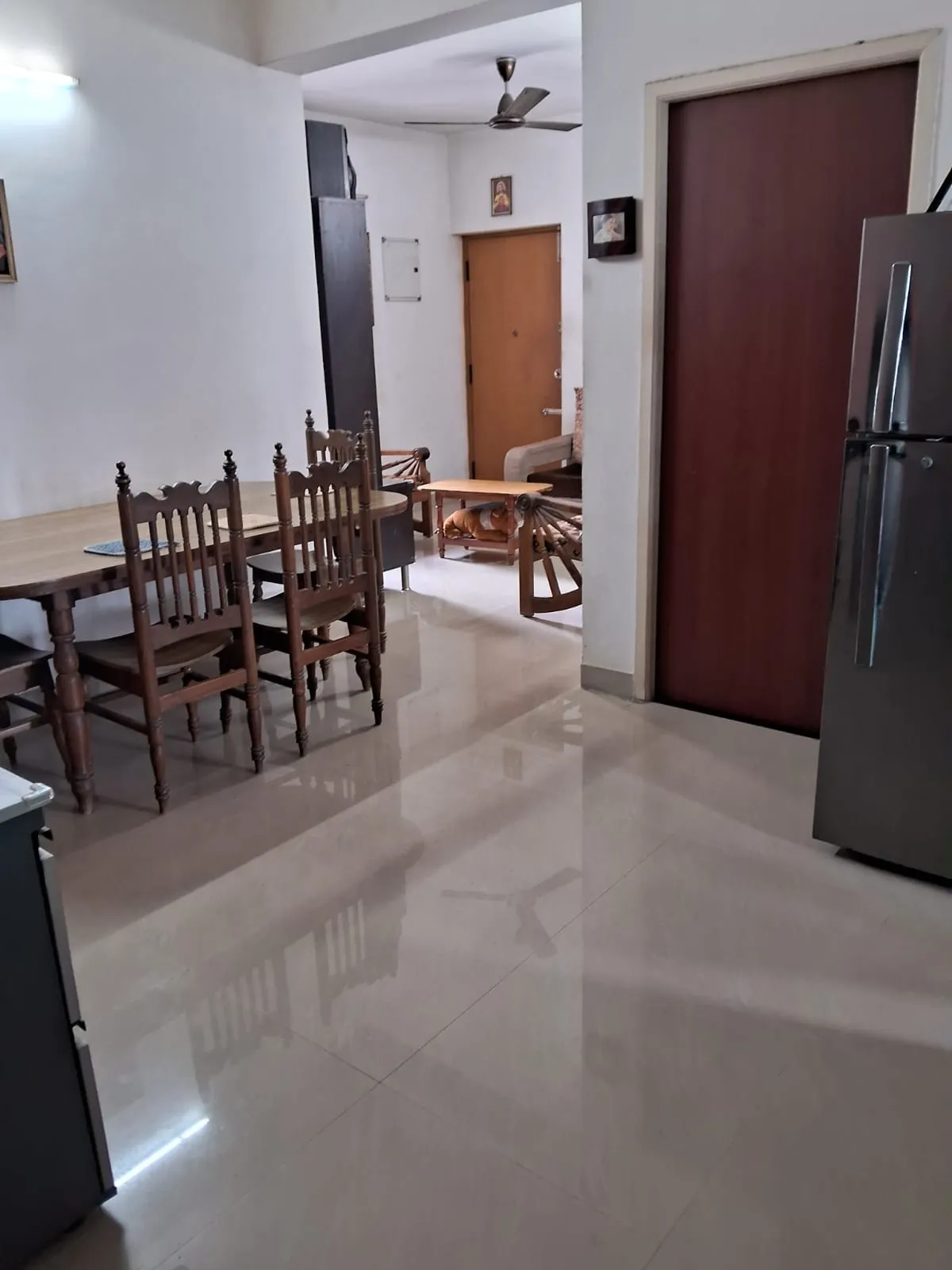
Use bright, recent photographs in a logical sequence: exterior, living room, kitchen, bedrooms, bathrooms, parking and outdoor space. Avoid beauty filters, screenshots and duplicate images. A short walk-through video can reduce unproductive visits.
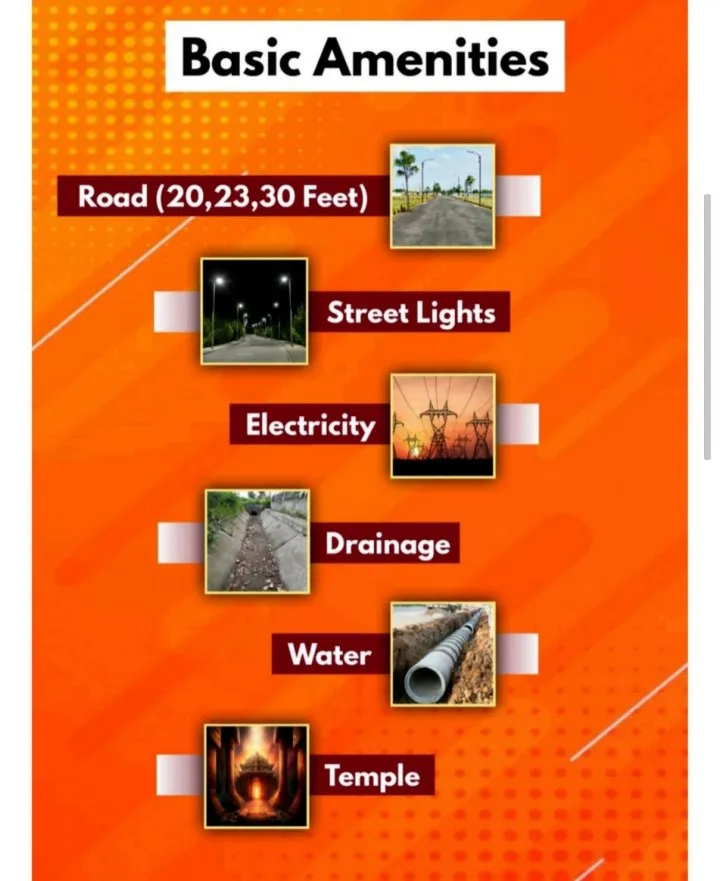
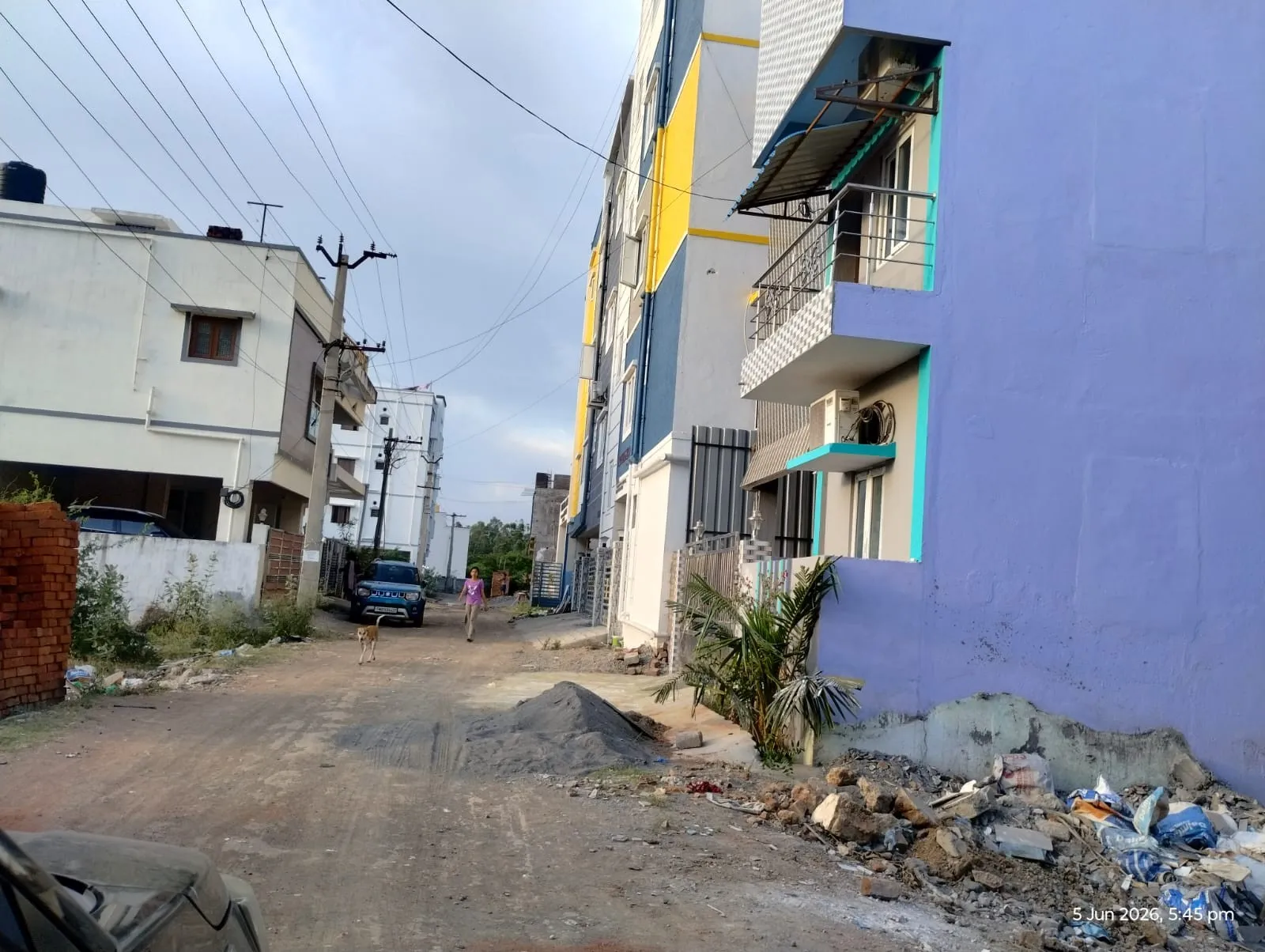
In the description, explain who the house suits and disclose practical facts. “Independent 3 BHK house with covered parking, municipal water and a 30-foot approach road” is more useful than “dream home in prime location.”
Screen buyers without creating friction
Before arranging repeated visits, ask the buyer about budget, funding method, desired timeline and whether another sale must happen first. For financed buyers, ask whether they have discussed eligibility with a lender. Do not demand sensitive financial records too early, but distinguish active buyers from casual enquiries.
For occupied houses, group visits into agreed time windows and protect the tenant's privacy. Remove valuables and personal documents before every visit. Keep a simple visit log with the name and contact number of the visitor or broker.
Negotiate the whole offer, not only price
Two offers with the same price may carry different risk. Compare token amount, financing certainty, due-diligence period, payment milestones, registration date, possession date, fixtures included and conditions attached to the offer.
Put every agreed point into a written agreement prepared or reviewed by a lawyer. The document should identify the property and parties, state the consideration and schedule, list the seller's document obligations, define default and refund outcomes and record when possession and originals will transfer.
Section 54 of the Transfer of Property Act defines a sale as a transfer of ownership and explains that the contract for sale does not itself create an interest in the property. Review the official Act on India Code and use a local conveyancing lawyer for the documents.
Handle tax and loan closure early
Property-sale tax depends on facts including holding period, cost, improvement expenditure and the law applicable on the transfer date. TDS obligations may also affect how the buyer makes payments. Speak to a chartered accountant before accepting the final offer so both sides understand the payment and filing sequence.
If the house is mortgaged, ask your lender for the outstanding amount, foreclosure steps, original-document list and expected release time. Agree how the buyer or buyer's bank will pay the lender and how the remaining consideration reaches you. Do not promise immediate originals if the bank needs time to release them.
Registration and possession
Before registration, review the final sale deed carefully: party names, property schedule, boundaries, areas, consideration, payment references and possession terms must be correct. Confirm the locally applicable stamp and registration procedure with the sub-registrar system or your lawyer.
At possession, create a signed handover note. Record keys, meter readings, fixtures, original documents delivered and any pending society or utility process. Keep copies of the registered deed, payment evidence, tax filings and handover record.
House sale red flags for sellers
Be cautious when a buyer or intermediary:
- Offers a high price but avoids identity or funding questions
- Requests original documents to “take to the bank” without control
- Wants a large cash component outside the deed
- Sends payment from unrelated third-party accounts without explanation
- Changes the buyer name or conditions repeatedly
- Pressures you to hand over possession before registration and cleared funds
- Asks you to sign blank forms, receipts or Power of Attorney pages
- Claims the token is paid but cannot provide cleared payment evidence
Frequently asked questions about house sale
Should I renovate before selling my house?
Repair defects that affect safety, lending or buyer confidence. Deep cleaning and minor cosmetic work can improve presentation. Large renovations rarely return their full cost unless they solve a clear market objection.
Can I sell a house with an active home loan?
Yes, subject to the lender's process. Obtain a foreclosure statement and document-release plan early so the buyer and both banks can structure payment safely.
Should I use an agent to sell my house?
An effective local agent can price, market and coordinate visits. Agree brokerage, exclusivity, marketing responsibilities and payment timing in writing. You can also post your property directly on 99Land and manage enquiries yourself.
How long does a house sale take?
It depends on price, demand, document readiness, buyer finance and local registration capacity. Clean documentation and a realistic price shorten the parts you can control.
Your house sale checklist
- ☐ Ownership, family consent and signing authority are clear
- ☐ Title, approval, tax and loan documents organised
- ☐ Market range and minimum net amount calculated
- ☐ Essential repairs completed and known defects disclosed
- ☐ Accurate photographs, video and description published
- ☐ Buyer identity, funding and timeline checked
- ☐ Token and agreement terms reviewed by a lawyer
- ☐ Tax and TDS sequence confirmed by a chartered accountant
- ☐ Lender closure and original-release process documented
- ☐ Registration and possession recorded with signed acknowledgements
A strong house sale is built on three things: a defensible price, clean documentation and a controlled closing process. Prepare those before you publish, and serious buyers can move with far more confidence.
Featured Properties
Handpicked properties just for you